Undertale Battlez Custom Bosses Guide
Design readable fights, test with friends, and battle player creations without turning lobbies toxic.
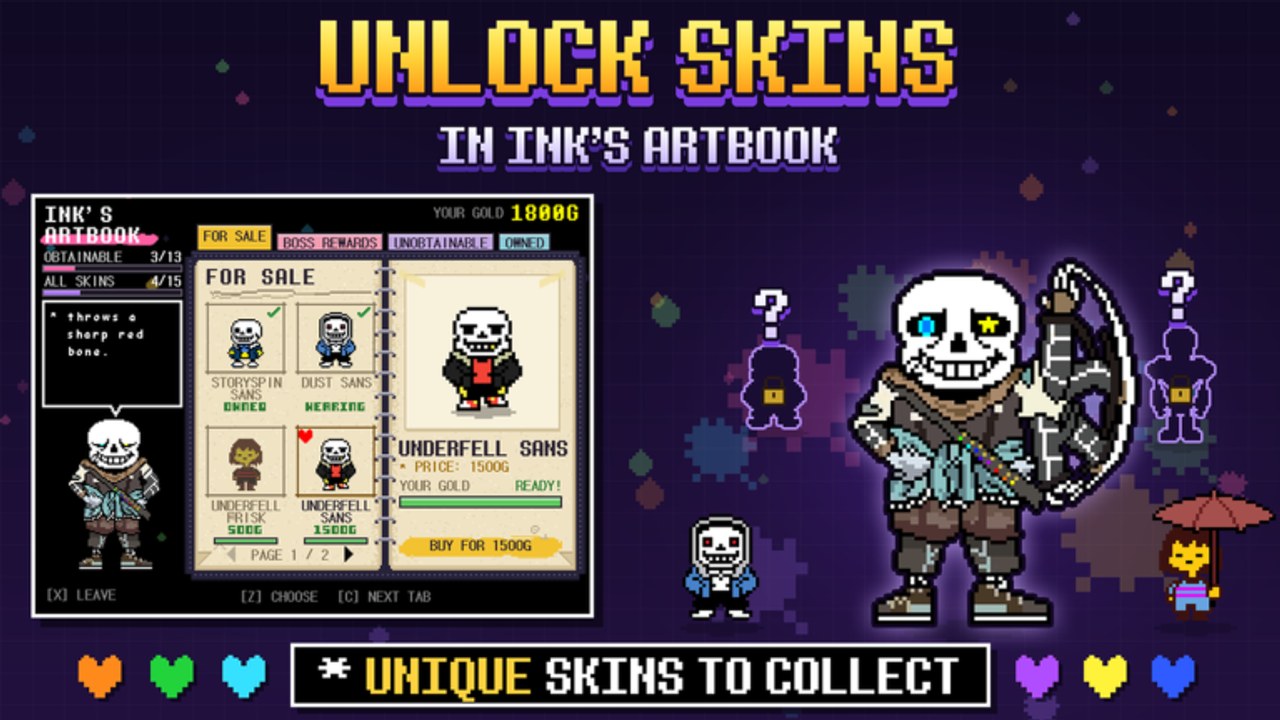
Custom bosses are a signature part of Undertale Battlez: after you train on scripted UNDERTALE-inspired encounters, Bluw’s Studio’s BETA loop lets players create and battle their own patterns. Done well, custom content teaches the same dodge literacy as official bosses and feeds creative PvP-adjacent play. Done poorly, it becomes an unreadable one-shot machine that teaches anger. This guide covers readability, testing, iteration, and sportsmanship for place 79493991899413.
The game remains an unofficial fan experience not affiliated with Toby Fox. Bring fundamentals from Boss Fights and Controls before you publish anything mean spirited.
Why custom bosses exist in the loop
Undertale Battlez mixes training, boss clears, skins, attack skins, PvP, and creator tools. Custom bosses sit between scripted PvE and player combat:
- Creators practice telegraph design.
- Fighters practice adapting to unfamiliar cues.
- Friends get private “raid night” energy without waiting on a patch.
- Showcases (including hard community fights like Limbo Sans) inspire motifs you can reinterpret — not copy beat-for-beat into unpaid spam.
If you only consume customs and never create, you still need standards: leave fights that are pure lag traps, and favor creators who iterate on feedback.
Readability rules (non-negotiable)
- Telegraph before damage. Players need a wind-up, color cue, audio sting, or silhouette change before the hitbox appears.
- Finite pattern vocabulary. Five clear attacks beat fifteen muddy ones.
- Fair punish windows. After a big commit, leave time for players to answer.
- Readable projectiles on mid graphics. If your pattern only works on max settings, most mobile players will call it unfair.
- No invisible instant kills as a “joke.” Jokes stop being funny on the third wipe.
- Arena literacy. Communicate hazards; do not hide lethal floors in noise.
- Phase changes should be obvious. Players should know when rules changed.
Cosmetics and attack skins can make patterns prettier; they should not hide the tell. Flashy does not equal good design.
Creation workflow that actually ships quality
Draft
Sketch the fantasy in one sentence: “slow bone lanes with a slam punish,” not “Sans but impossible.” Pick two or three motifs max for version one.
Block out
Place telegraphs at exaggerated durations. It is easier to tighten timing later than to explain why nobody can react.
Solo test
Fight your own boss on the device you least like (often mobile). If you cannot react, neither can your audience.
Friend test
Invite one skilled and one newer player. Watch where each dies. If both die to the same unmarked cue, fix the cue — do not tell them to “just learn it.”
Patch notes for your lobby
When you retune, tell people what changed. Custom bosses need the same clarity Updates try to give the live game.
Testing checklist (print this mentally)
- Can a warmed-up player from Getting Started survive the first cycle after one explanation?
- Are dodge responses compatible with normal Controls habits (short strafe, dodge on tell)?
- Does the camera still see mid-range tells at default zoom?
- Is Gold or time cost to retry reasonable, or are you griefing someone’s session economy?
- Does the fight still work after a server rejoin (BETA replication quirks)?
- Would you be proud if this fight appeared next to community talk on the Tier List?
Battling other people’s customs
Approach unknown creations like a new official boss:
- First attempt is scouting — survive and name attacks.
- Second attempt applies one adjustment.
- Only then play for a clean clear.
Leave if the design is clearly broken or abusive. You do not owe infinite deaths to a troll kit. Return to scripted practice or Gold Farming instead of tilting your whole evening.
When a custom fight is excellent, say so. Creators iterate faster with specific praise (“lane two reads perfectly”) than with empty “fire” spam.
Sportsmanship in shared servers
Servers can hold up to 16 players. Customs share space with people who redeemed codes five minutes ago and just want to train:
- Announce when you are playtesting something lethal.
- Do not force unwilling players into your arena.
- Avoid stacking particle spam that tanks CCU-heavy servers.
- Do not mock newcomers who struggle with dense patterns — point them to Boss Fights.
- Keep PvP separate unless everyone agrees to mix modes; see PvP.
Grief custom arenas or bait people into unwinnable “tests” and you will empty lobbies faster than any balance patch.
Design inspirations vs. ripoffs
Drawing inspiration from UNDERTALE-style bullet language or from popular Roblox showcases is normal in a fan battlegrounds game. Copying another player’s entire custom note-for-note and republishing it as your flex is not. Remix motifs, credit inspirations when you post, and add at least one original timing or arena twist.
Likewise, remember the outer layer: Bluw’s Studio publishes the Roblox experience; Toby Fox did not greenlight your bone fountain. Keep descriptions honest.
Progression value
Custom bosses are primarily a skill and social feature. They may award Gold or engagement depending on the current BETA ruleset — always verify live rewards after patches. Do not skip code redemption (K200VISITS, FAV6K, THANKSFOR600CCU on Codes) because you assume customs will print currency. Use customs to sharpen reads that make official farming and PvP easier.
Iteration ideas when your boss feels “meh”
- Lengthen the first telegraph by a beat.
- Remove one overlapping projectile family.
- Add a longer punish after the heaviest attack.
- Brighten dangerous tells; quiet background VFX.
- Split a chaotic phase into two simpler phases.
- Play a community hard fight like Limbo Sans for pacing reference, then halve the density for your public v1.
Related pages
- Boss Fights — literacy you should demand from your own designs
- Limbo Sans — high-interest community encounter context
- PvP Guide — when player fights replace scripted ones
- Controls — movement assumptions your telegraphs should respect
- Guides Hub — full map of how-tos
- Updates — creator-tool changes after Massive Updates
Create fights you would enjoy learning cold. If every custom you publish needs a five-minute verbal disclaimer, it is not ready — tighten the tells until the disclaimer shrinks to “have fun.”
Frequently Asked Questions
Quick answers about codes, bosses, PvP, and progression.
What makes a good Undertale Battlez custom boss?
Clear telegraphs, a small attack vocabulary, fair punish windows, and testing on more than one device — especially mobile.
Should I copy Limbo Sans patterns into my custom?
Use them as pacing inspiration, not a note-for-note rip. Remix motifs and keep your public v1 less dense than the hardest showcases.
How do I test a custom boss properly?
Solo test on your weakest device, then invite one skilled and one newer friend. Fix any cue that kills both without a readable tell.
What if someone’s custom is an unfair one-shot?
Leave. You do not owe infinite deaths to troll designs. Return to scripted bosses or farming instead.
Do custom bosses replace codes for Gold?
No. Always redeem active codes first. Customs are mainly for skill and social play; live rewards can change in BETA.
Any etiquette rules in public lobbies?
Announce lethal tests, do not force unwilling players in, avoid performance-killing spam, and keep PvP consensual.